How Humidity Affects Your Ceiling and What to Watch For in the South

That hairline crack running along your ceiling? The paint that bubbled near the bathroom exhaust fan? The popcorn texture that started separating in one corner for no obvious reason? In most Southern states, these aren't random cosmetic quirks — they're humidity doing exactly what humidity does when it has nowhere else to go.

The humidity effects on ceilings in Southern homes are some of the most misunderstood and underestimated forms of home damage, partly because they develop slowly, partly because they look like isolated cosmetic issues, and partly because most people don't connect what's happening inside their attic to what's showing up on the surface below.

Here's what's actually going on.

Our Services →

What's Actually Happening to Your Ceiling When the Air Gets Heavy

Ceilings are sandwiched between your living space and your attic, which in the South is one of the most thermally and moisture-volatile spaces in a building. During summer months, attic temperatures in states like Texas, Louisiana, Georgia, and the Carolinas regularly hit 140 to 160 degrees Fahrenheit. The air in that attic holds significant moisture — some from outside humidity, some from exhaust fans that vent improperly into the attic space instead of outdoors, and some from air conditioning systems that sweat as warm humid air contacts cold duct surfaces.

That moisture migrates. It moves through drywall, through ceiling finishes, through paint. When it condenses — either because the attic cools overnight or because the temperature differential between your air-conditioned room and the hot attic above creates a dew point right at the ceiling surface — you get moisture accumulation where you least want it.


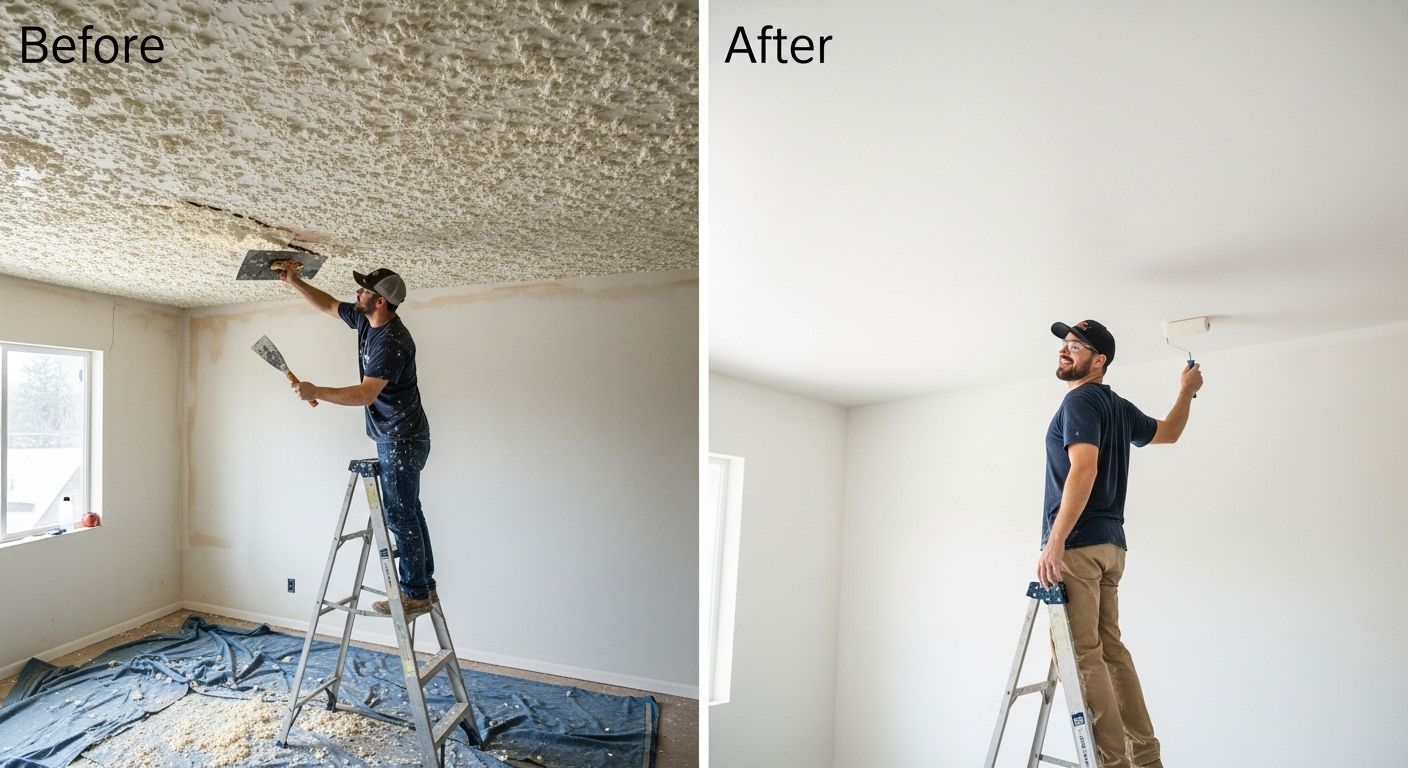
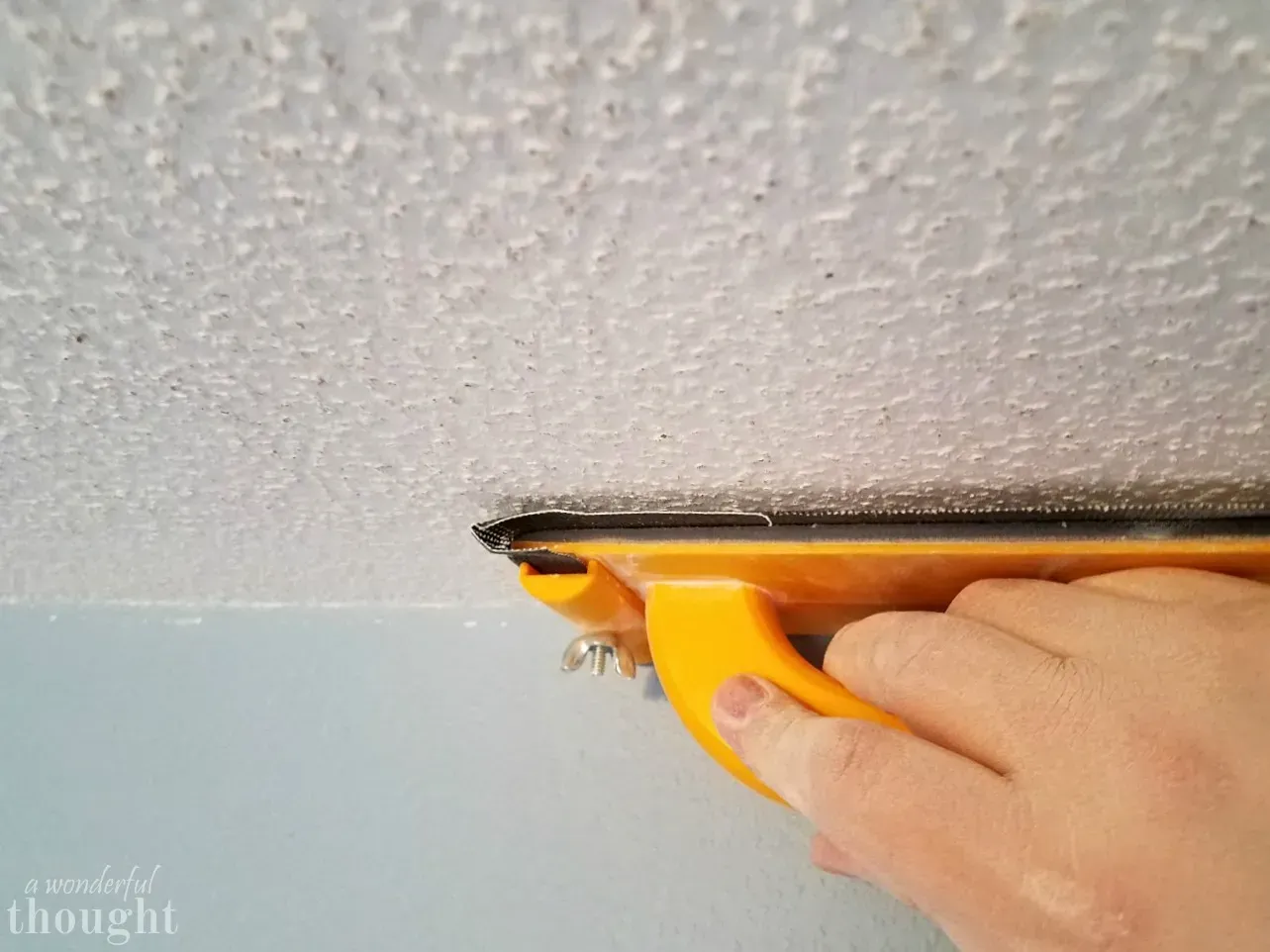
The results are predictable once you know what to look for. Paint loses adhesion and bubbles. Drywall tape at seams starts to lift, creating those ghost lines you can see when light rakes across the ceiling at the right angle. In homes with textured ceilings, the texture itself can delaminate from the drywall because the bond between them was compromised by repeated wet-dry cycles. In more serious cases, drywall becomes soft, begins to sag, and eventually fails structurally — which is expensive in a way that a fresh coat of paint is not.
estimated_quoteArtboard 3

Get a Free Quote

Contact Us


Our Services


Satisfied Clients

quotes2Artboard 2

The attic's moisture management — or lack of it — is almost always the culprit when humidity effects on ceilings in Southern homes show up repeatedly despite cosmetic repairs. You can patch and repaint a bubbled ceiling, but if the attic ventilation is poor, if bathroom exhaust fans terminate in the attic rather than outside, or if there are gaps in the attic insulation where humid conditioned air is escaping upward, the problem will return. Usually within a season.


Proper attic ventilation — adequate soffit vents drawing air in, ridge vents or gable vents letting it out — creates airflow that moderates both temperature and moisture. This doesn't eliminate the problem completely in climates like the Gulf Coast or South Florida, but it dramatically reduces the sustained moisture load on your ceiling system.


Vapor barriers and insulation placement matter too. In hot-humid climates, you generally want the vapor barrier on the warm side of the insulation (toward the exterior in summer), and you want a continuous air seal between the conditioned space and the attic so that humid attic air isn't infiltrating downward. These details are more complex than a blog post can fully cover, but the point is that ceiling damage in Southern homes almost always has an attic story behind it.


A few practical things worth checking if you're seeing ceiling issues. First, locate where your bathroom and kitchen exhaust fans terminate. Pull back the attic hatch and look — if you see flexible duct just curling into the attic space, that's a problem and a relatively inexpensive fix. Second, look for discoloration patterns around ceiling fixtures and exhaust fan housings, which are common air infiltration points. Third, if you have a crawl space rather than a slab, check whether it's properly encapsulated — moisture from below can travel upward through an unsealed crawl space and find its way into ceilings the long way around.


The humidity effects on ceilings in Southern homes are manageable, but they require addressing the source rather than the symptom. The ceiling surface is the messenger. The attic — and everything happening in the building envelope around it — is where the actual conversation needs to happen.

Fix the paint by all means. Just don't stop there.

Popcorn Ceiling Removal Near Me? Atlanta Ceiling Pros Serves More Than Just Atlanta

Get a Free Estimate Today

If you’re asking who to call to fix drywall, need drywall repair Atlanta services, or want expert popcorn ceiling removal in Atlanta, our team is ready to help. Contact us today for professional drywall solutions built to last.